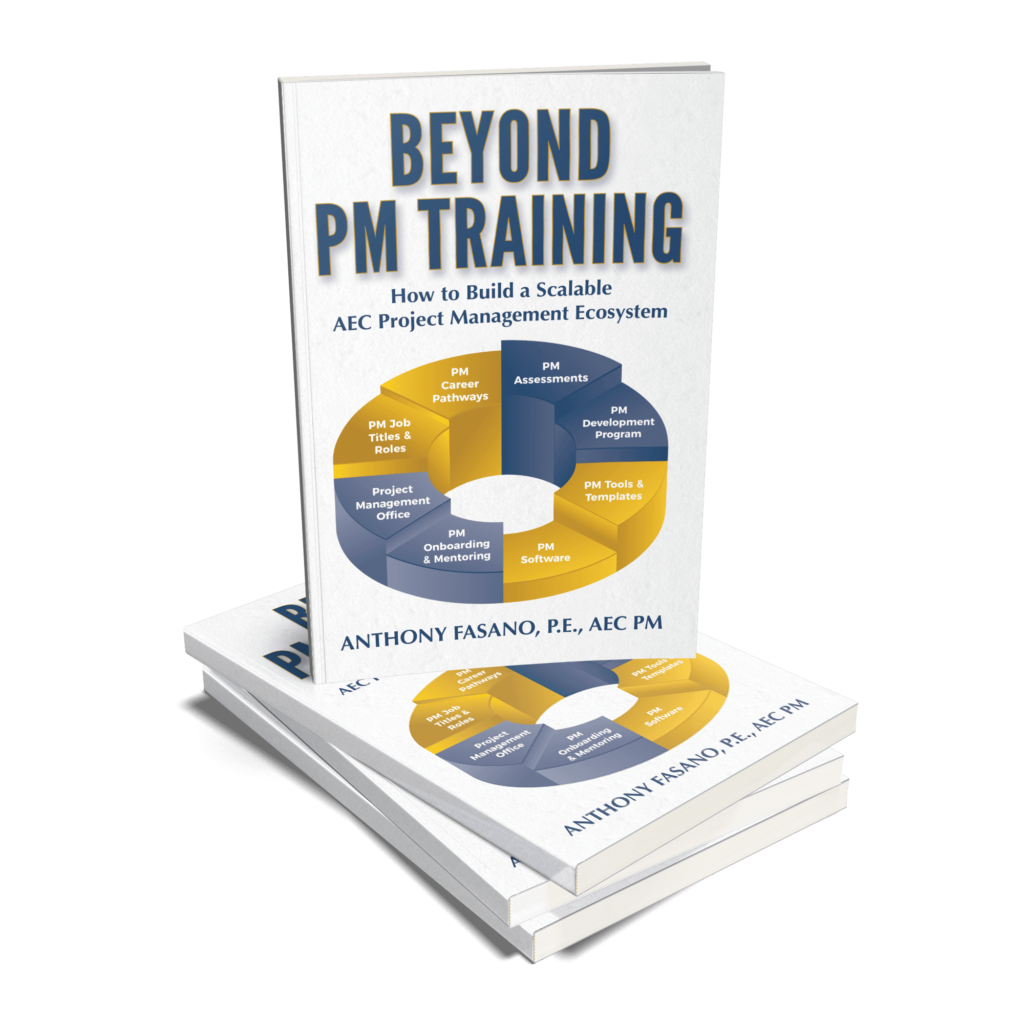
What is a Project Management Ecosystem™?
A project management ecosystem is an organizational framework that supports project managers through clear roles, development programs, tools, and mentoring. It creates a scalable and sustainable system that reduces reliance on individual heroics and improves project delivery.
- Defines PM roles and career paths
- Includes ongoing development and training
- Provides tools and templates
- Offers mentoring and PMO support
How can organizations reduce project manager burnout?
Organizations can reduce burnout by developing a project management ecosystem that distributes responsibilities clearly and provides adequate support rather than relying on top performers to absorb extra workload. Investing in proper tools, mentoring, and structured roles helps create balance.
- Avoid dependence on individual capacity
- Establish clear and consistent processes
- Provide mentoring and training
- Implement supportive tools and templates
Why is a project management ecosystem important?
A project management ecosystem is important because it ensures that project managers are supported by scalable systems and processes rather than overburdened with tasks beyond their role. This leads to increased sustainability, reduced turnover, and improved project outcomes.
- Promotes shared responsibility
- Enhances clarity and predictability
- Supports scalable growth
- Reduces knowledge silos and turnover
What are the key phases of a Project Management Ecosystem™?
The key phases include defining PM pillars like roles and career paths, implementing PM development programs, providing utilities such as tools and templates, and offering PM support through mentoring and project management offices.
- PM pillars: roles and career pathways
- PM development: assessment and training
- PM utilities: tools and software
- PM support: mentoring and PMO
How can project managers improve their effectiveness within an ecosystem?
Project managers can improve effectiveness by engaging with the development resources, using standardized tools and templates, seeking mentorship, and operating within clearly defined roles and responsibilities provided by the ecosystem.
- Participate in ongoing training
- Use available tools consistently
- Leverage mentoring opportunities
- Understand and follow role definitions
What role does mentoring play in supporting project managers?
Mentoring provides crucial career guidance, knowledge sharing, and emotional support for project managers, helping them navigate challenges and develop leadership skills within a supportive ecosystem.
- Facilitates knowledge transfer
- Builds leadership capabilities
- Offers emotional and career support
- Enhances retention and engagement
How do tools and templates contribute to a project management ecosystem?
Tools and templates standardize processes, reduce duplication of effort, and provide project managers with easy-to-use resources that increase efficiency and reduce stress in managing projects.
- Ensure consistency across projects
- Save time in preparing documents
- Improve accuracy and reporting
- Reduce cognitive workload
Why is relying solely on time management insufficient for project managers?
Reliance on time management does not address systemic organizational issues such as unclear roles, poor processes, and a lack of support. Without a strong ecosystem, PMs remain overburdened despite effective time management skills.
- Does not fix structural workload issues
- Ignores systemic communication gaps
- Overlooks the lack of supportive processes
- Leads to unsustainable workloads
How do clear job titles and roles support the project management ecosystem?
Clear job titles and roles help organizations understand the number and responsibility levels of project managers, enabling targeted development and appropriate workload distribution within the ecosystem.
- Clarifies expectations and responsibilities
- Facilitates career path development
- Improves resource planning
- Supports tailored training programs
What challenges arise if organizations depend on people instead of systems to manage workloads?
Dependence on individuals causes burnout, turnover, knowledge loss, and limits scalability because success depends on certain key people rather than sustainable processes and support systems.
- Increases risk of burnout and turnover
- Traps knowledge in individuals
- Limits organizational growth
- Creates instability in project delivery