
In this episode, I talk with Jim Collins, Ph.D., P.E., Director of Structural Engineering at Keystone Custom Homes, about IRC wind bracing and how it streamlines residential structural design. We explore the prescriptive methods within the International Residential Code, innovative software solutions that simplify complex calculations, and improved detailing techniques that enhance construction efficiency. This conversation uncovers valuable insights for engineers seeking practical approaches to safer, more effective residential wind bracing.
Here Are Some of the Questions We Ask Jim Collins, Ph.D., P.E.:
- Can you explain the prescriptive methods in the International Residential Code for wind bracing and why they are important in residential design?
- How does the process of laying out braced wall lines work, and what challenges do engineers face using the IRC prescriptive method?
- What solutions are there to simplify or automate the IRC wind bracing prescriptive method?
- What are the common issues with standard gable end bracing details, and how does Keystone’s approach differ?
- What feedback have you received from the field about the new gable bracing details?
- What final advice would you give to structural engineers aiming to introduce innovation in code-driven residential design?
Here Are Some of the Key Points Discussed About Innovations in IRC Wind Bracing Residential Design:
- The IRC provides a set of rule-based prescriptive methods to safely design homes against wind loads without requiring advanced calculations. These methods balance safety, cost, and efficiency, protecting families while providing a straightforward approach for many residential engineers and builders.
- Engineers identify fictitious braced wall lines on floor plans and calculate required brace lengths based on wind speed, story height, and spacing. The process is iterative and tedious because changing one brace wall line affects others, making manual calculation complex and time-consuming.
- Software that allows engineers to visually lay out braced wall lines on plans and automatically calculates required bracing lengths can greatly simplify the process. Automation saves time by updating factors dynamically and reducing manual spreadsheet iterations, improving accuracy and efficiency.
- Standard gable bracing details often involve complex, hard-to-execute diagonal braces and blocking that framers struggle to install correctly. Keystone’s approach uses simpler, more practical L braces and piggyback details that are easier to install, cost-effective, and accepted by building officials.
- While there is initial pushback due to changes and costs, the new details are generally easier and safer to install, standardizing pricing and improving quality. Acceptance by building officials and fabricators supports their continued use despite some initial resistance.
- Engineers should understand the entire construction process and the interaction of materials to optimize design cost-effectively. Effective communication, concise writing, and strong public speaking skills are crucial to successfully advocate for innovation and influence project outcomes.
Understanding IRC wind bracing is essential for professionals in the AEC industry looking to enhance their project outcomes and technical expertise.
More Details in This Episode…
About the Guest:
Jim Collins, Ph.D., P.E.
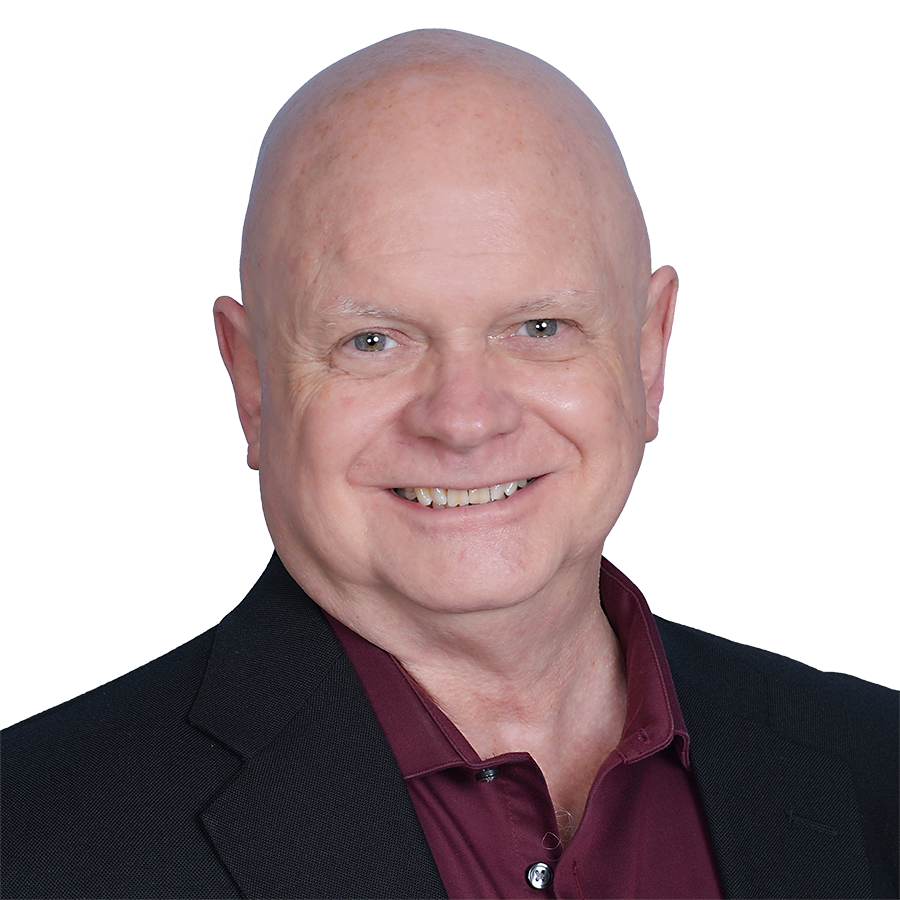 Jim Collins, Ph.D., P.E., is the Director of Structural Engineering at Keystone Custom Homes, with over 28 years of experience in the light-framed wood construction industry. He specializes in structural system optimization, process improvement, and developing innovative design software for engineered wood products and metal-plated trusses. Jim earned his Ph.D. in Civil Engineering from Stevens Institute of Technology and both his M.Sc. and B.Sc. in Civil Engineering from Rutgers University. Known for his leadership in bridging engineering, manufacturing, and sales teams, Jim has built a career on creating practical, code-compliant solutions that strengthen both structures and collaboration across the industry.
About the Host:
Mathew Picardal, P.E., SE
 Mathew is a licensed engineer, practicing on structural projects in California, with an undergraduate degree from Cal Poly Pomona and an M.S. in Structural Engineering from UC San Diego. He has designed and managed various types of building structures, including residential wood apartment buildings, commercial steel buildings, and concrete parking structures and towers. He also hosts the new YouTube channel “Structural Engineering Life,” through which he promotes the structural engineering profession to engineering students who are not familiar with the industry perspective.
Sources/References:
Keystone Custom Homes
Connect with Jim Collins on LinkedIn
International Residential Code (IRC)
APA
Simpson Strong-Tie
Gable Brace
MiTek
AECPM Connect
AECPM Awards
AEC PM Certification
AEC PM Connect
Project Management Accelerator™
Engineering Leadership Accelerator™
Please leave your comments or questions in the section below.